A bathroom may be one of the smallest rooms in a home, but it can greatly affect everyday comfort and convenience. An outdated vanity, poor lighting, limited storage, worn flooring, or an inefficient layout can make the space feel less inviting than it should. Bathroom Remodel Bellevue provides an opportunity to transform an ordinary bathroom into a comfortable, attractive, and practical space that better fits modern needs. Whether the project involves a few cosmetic updates or a complete renovation, careful planning can help homeowners achieve better results while making the most of the available space.
Planning Your Bathroom Remodeling Project
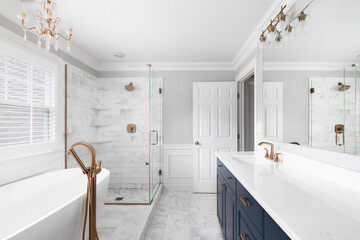
Good planning is the foundation of a successful bathroom remodeling project. Before choosing materials or colors, homeowners should determine what they want to improve and what problems need to be solved. Common concerns include limited storage, outdated fixtures, poor ventilation, insufficient lighting, damaged surfaces, and inefficient use of space. Identifying these issues early can help establish priorities and prevent unnecessary changes.
Budget planning is another important part of the process. The total cost of remodeling can vary depending on the size of the bathroom, materials selected, fixtures, labor, and the complexity of the work. Homeowners should create a realistic budget that includes both expected expenses and a reserve for unexpected issues. Older bathrooms can sometimes reveal hidden plumbing, electrical, or structural problems once existing materials are removed. Preparing for these possibilities can make the remodeling process easier to manage.
Choosing the Right Bathroom Layout
The layout of a bathroom affects how comfortable and practical the space will be. During remodeling, homeowners have an opportunity to reconsider the placement of the shower, bathtub, toilet, vanity, and storage areas. A well-designed layout should provide enough room for movement while keeping frequently used fixtures accessible. Even small changes in placement can make a bathroom feel more spacious.
The available space should be measured carefully before any major design decisions are made. Door swings, windows, plumbing connections, and ventilation openings can all affect where fixtures can be positioned. Homeowners should also think about how the bathroom is used by different members of the household. A family bathroom may need more storage and counter space, while a smaller bathroom may benefit from compact fixtures. Creating a practical layout can improve both appearance and daily functionality.
Updating Bathroom Vanities and Storage
The vanity is often one of the most noticeable features in a bathroom. Replacing an outdated vanity can immediately refresh the appearance of the room while providing an opportunity to improve storage. Homeowners can choose from many cabinet styles, finishes, sizes, and configurations. The ideal vanity should complement the design of the bathroom while providing enough space for everyday items.
Storage should be considered carefully during remodeling because bathrooms often need to accommodate toiletries, towels, cleaning supplies, and personal care products. Drawers, cabinets, shelves, and built-in storage can help reduce clutter. In smaller bathrooms, vertical storage can make better use of limited floor space. A well-designed storage system can keep frequently used items accessible while helping the room maintain a clean and organized appearance.
Selecting Bathroom Flooring
Bathroom flooring needs to handle moisture, frequent cleaning, and regular foot traffic. Choosing a suitable material is therefore important for both durability and safety. Homeowners should consider how the flooring performs in damp conditions and how easy it is to maintain. The appearance of the floor should also complement the walls, vanity, fixtures, and other design elements.
Color and pattern can significantly influence the perception of space. Lighter flooring can help create a brighter and more open appearance, while darker flooring can add contrast and visual depth. Larger patterns may make a room feel more distinctive, while simpler designs can provide a clean and timeless appearance. Texture should also be considered because a bathroom floor should provide a reasonable level of traction when wet.
Remodeling the Shower and Bathtub
The shower and bathtub area is often a central part of a bathroom remodeling project. An outdated shower can be replaced or redesigned to improve both appearance and usability. Homeowners may consider larger shower spaces, updated wall surfaces, improved storage niches, modern fixtures, or glass enclosures. The design should provide enough room for comfortable movement while fitting appropriately within the available space.
Bathtubs can also be updated depending on the needs of the household. Some homeowners prefer a deep soaking tub, while others may prioritize a spacious shower. In some cases, removing an unused bathtub can create additional room for a larger shower or improved storage. The decision should be based on how the bathroom is actually used rather than simply following a design trend. A practical shower or bathtub arrangement can make the room more enjoyable every day.
Choosing Bathroom Fixtures
Fixtures can influence both the style and functionality of a remodeled bathroom. Faucets, showerheads, toilets, sinks, and other fixtures are available in many designs and finishes. Homeowners should consider how these elements work together rather than selecting each one separately. Consistent finishes and complementary shapes can create a more cohesive appearance.
Functionality should remain a priority when choosing fixtures. Water efficiency can be an important consideration, particularly for toilets and faucets that are used frequently. Modern fixtures may also provide improved convenience and easier cleaning. Selecting quality fixtures that match the needs of the household can help ensure that the remodeled bathroom remains practical for years to come.
Improving Bathroom Lighting
Good lighting can completely change the atmosphere of a bathroom. Poorly positioned or insufficient lighting can create shadows and make grooming, cleaning, and other activities more difficult. A remodeling project provides an opportunity to improve both general and task lighting. The goal should be to create sufficient illumination throughout the room without making the space feel harsh.
Vanity lighting is particularly important because the mirror area is often used for grooming and personal care. Overhead lighting can provide general illumination, while additional fixtures can highlight specific areas. Natural light should also be considered when planning the design. Combining different sources of light can create a bathroom that feels brighter, more comfortable, and more functional throughout the day.
Improving Bathroom Ventilation
Ventilation is an important part of bathroom remodeling because moisture is regularly produced by showers, baths, and running water. Without adequate ventilation, excess humidity can contribute to condensation, unpleasant odors, and deterioration of certain materials. Persistent moisture can also create conditions that encourage unwanted biological growth. Improving airflow can help protect the bathroom and maintain a more comfortable environment.
A properly functioning exhaust system can help remove moisture from the room. Ventilation should also be considered when selecting materials because some surfaces are better suited to humid environments than others. Homeowners should address existing moisture problems rather than simply covering visible signs during a remodel. Proper ventilation can contribute to the long-term performance of the bathroom and help protect the surrounding structure.
Selecting Bathroom Wall and Tile Finishes
Wall finishes can have a major impact on the overall appearance of a bathroom. Tile is a popular option for areas exposed to water because it can provide a durable and visually appealing surface. Other finishes may also be appropriate depending on the location and level of moisture. Homeowners should consider both appearance and maintenance when selecting wall materials.
Tile patterns, colors, shapes, and sizes can create different visual effects. Large tiles can provide a cleaner appearance with fewer visible grout lines, while smaller tiles can introduce texture and decorative detail. A simple wall design can create a timeless appearance, while patterned materials can serve as a focal point. Choosing complementary finishes for walls, floors, and shower areas can help create a cohesive design.
Making a Small Bathroom Feel Larger
Bathroom remodeling can be particularly valuable in a small space because thoughtful design can improve the sense of openness. Light colors, reflective surfaces, well-positioned mirrors, and appropriately sized fixtures can make a compact bathroom appear larger. Wall-mounted storage and streamlined vanities can also reduce the amount of visible floor space being occupied.
Lighting plays an important role in creating visual openness as well. A combination of natural and artificial light can make the room feel brighter and less confined. Glass shower enclosures can also help maintain an unobstructed visual line through the room. The goal is not necessarily to make the bathroom physically larger, but to use design choices that make the available space feel more comfortable.
Adding Finishing Touches
Small details can have a significant impact on the finished bathroom. New mirrors, towel bars, cabinet hardware, shelves, and decorative accessories can complement the larger remodeling changes. These elements can introduce texture, contrast, or personality without requiring major construction work. Selecting accessories that coordinate with the primary finishes can help the entire room feel intentional.
Homeowners should avoid adding too many competing elements. A bathroom can quickly feel cluttered if every surface contains decorative items. Instead, a few carefully selected details can provide visual interest while preserving functionality. The best finishing touches should contribute to the overall design while still serving a practical purpose.
Final Thoughts
Bathroom remodeling is an opportunity to improve one of the most frequently used spaces in a home. A successful project combines thoughtful planning with practical choices involving layout, storage, flooring, fixtures, lighting, ventilation, and finishes. Homeowners should consider how the bathroom will be used every day rather than focusing only on appearance. A beautiful bathroom is more valuable when it is also comfortable, durable, organized, and easy to maintain. With careful design and attention to detail, bathroom remodeling can transform an outdated space into a refreshing and functional part of the home.
Tags: bathroom remodeling, bathroom renovation, bathroom design, bathroom makeover, bathroom remodeling ideas