Pest activity is not constant throughout the year. As temperatures change and weather patterns shift, different pests become more active, seeking food, shelter, and favorable conditions. Understanding seasonal pest problems and knowing how to prepare for them is essential for maintaining a safe, comfortable, and pest-free environment.
A proactive approach to pest control can help property owners stay ahead of infestations, reduce health risks, and protect structures year-round. By recognizing how each season influences pest behavior, preparation becomes more effective and manageable. Click Here to get additional details.
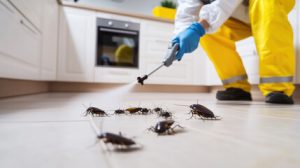
Why Pest Activity Changes With the Seasons
Pests are highly influenced by environmental conditions. Temperature, moisture levels, and food availability all play a role in determining where pests live and how they behave.
Seasonal changes trigger migration, breeding, and nesting patterns. As a result, pests may move indoors during certain times of the year or become more visible outdoors during others. Knowing these patterns is the first step toward prevention.
Spring: The Start of Increased Pest Activity
Spring marks a period of renewal not only for plants but also for pests. Warmer temperatures and increased moisture create ideal conditions for reproduction and expansion.
Many pests become more active during spring as they search for food and nesting sites. Properties that are not properly prepared may experience a sudden rise in pest sightings during this season.
Common Spring Pest Challenges
Spring pests are often drawn to moisture and new growth. Areas with standing water, clogged drains, or damp soil can become attractive environments.
Preparation during early spring helps prevent pests from establishing colonies and spreading throughout a property.
Summer: Peak Pest Season
Summer is typically the most active season for pests. Warm weather accelerates breeding cycles and increases food availability, leading to larger populations.
Outdoor activities, open doors, and increased waste can unintentionally invite pests closer to living spaces.
Why Summer Pests Are Harder to Control
During summer, pests reproduce rapidly, making infestations harder to manage once established. Heat also drives pests to seek cooler indoor environments.
Without preventive measures, small pest issues can quickly escalate into major infestations.
Fall: Pests Seeking Shelter
As temperatures begin to drop, many pests start looking for shelter to survive cooler months. Buildings offer warmth, protection, and access to food sources.
Fall is a critical time for pest prevention, as this is when pests attempt to enter structures and establish indoor habitats.
Entry Points Become a Major Concern
Small cracks, gaps, and openings become entryways during fall. Sealing these vulnerabilities is essential for keeping pests out.
Proactive pest control in fall helps prevent long-term indoor infestations.
Winter: Hidden Pest Activity
While pest activity may seem reduced during winter, many pests remain active indoors. Sheltered environments allow them to survive and continue feeding.
Because pests are less visible, infestations can go unnoticed until they become severe.
Why Winter Infestations Are Overlooked
People often assume pests are inactive during cold months. This misconception allows infestations to grow undetected in walls, basements, and storage areas.
Regular monitoring is essential even during winter.
Seasonal Pest Prevention Strategies
Effective pest control requires adapting strategies to seasonal conditions. Each season presents unique challenges that require specific preparation.
Spring Preparation Tips
Spring is the ideal time for inspections and cleaning. Removing debris, addressing moisture issues, and checking entry points help reduce attraction.
Preventive treatments during spring set the foundation for a pest-free year.
Summer Prevention Measures
During summer, focus on sanitation and exclusion. Proper waste management and minimizing food exposure reduce pest attraction.
Maintaining outdoor areas and limiting access points helps keep pests outside where they belong.
Fall Pest Control Planning
Fall preparation should prioritize sealing cracks, repairing screens, and inspecting foundations. Reducing outdoor clutter limits shelter options.
Early fall treatments help stop pests before they move indoors.
Winter Maintenance and Monitoring
Winter pest control focuses on monitoring and maintenance. Checking storage areas, basements, and attics helps catch hidden activity.
Maintaining cleanliness and proper storage reduces indoor pest survival.
The Role of Preventive Pest Control
Preventive pest control is far more effective than reactive treatments. Addressing risks before infestations occur saves time, money, and stress.
Regular inspections and maintenance ensure that vulnerabilities are identified early.
Environmental Factors That Influence Seasonal Pests
Weather patterns such as heavy rainfall, drought, and temperature fluctuations can alter pest behavior. Unusual conditions may lead to unexpected infestations.
Being aware of environmental changes allows for timely adjustments in pest control strategies.
Health Risks Associated With Seasonal Pests
Seasonal pests bring seasonal health risks. Increased activity raises the chances of bites, allergies, and contamination.
Preparing for seasonal pests helps protect occupants from these health concerns.
Structural Risks During Seasonal Transitions
Pests can cause structural damage when they nest, burrow, or chew through materials. Seasonal transitions often increase these risks.
Protecting structures requires consistent pest control throughout the year.
Outdoor Areas and Seasonal Pest Activity
Yards, gardens, and perimeters play a significant role in pest activity. Seasonal maintenance reduces pest habitats near structures.
Managing vegetation and moisture supports long-term pest prevention.
Importance of Early Detection
Early detection is key to managing seasonal pest problems. Regular checks allow for timely intervention.
Catching pest activity early prevents seasonal surges from becoming long-term issues.
Integrated Pest Management and Seasonality
Integrated pest management adapts to seasonal changes by combining monitoring, prevention, and targeted treatments.
This approach reduces reliance on reactive measures and improves overall effectiveness.
Education and Awareness for Seasonal Preparedness
Understanding seasonal pest patterns empowers property owners to take action. Awareness leads to better habits and fewer infestations.
Simple changes in daily routines can make a significant difference.
Seasonal Pest Control for Different Property Types
Different properties face unique seasonal challenges. Residential and commercial spaces require tailored strategies.
Adapting pest control plans to property needs ensures effective protection.
Long-Term Benefits of Seasonal Planning
Seasonal pest planning provides long-term benefits. Consistent prevention reduces recurring infestations and maintenance costs.
Prepared properties remain safer, healthier, and more comfortable year-round.
Common Mistakes in Seasonal Pest Control
Waiting until pests appear is one of the most common mistakes. By then, infestations are harder to manage.
Ignoring seasonal maintenance can also create opportunities for pests.
Creating a Year-Round Pest Control Routine
A year-round routine ensures that no season is overlooked. Regular inspections, maintenance, and prevention work together.
This consistent approach minimizes seasonal surprises.
Seasonal pest problems are a natural part of changing weather patterns, but they do not have to disrupt daily life. By understanding how pests behave throughout the year and preparing accordingly, property owners can stay ahead of infestations.
Proactive, seasonal pest control protects health, property, and peace of mind. With proper planning and awareness, every season can be managed effectively, ensuring a safer and more comfortable environment all year long.