Metal plays an essential role in modern construction, manufacturing, transportation, and countless everyday products. From structural steel used in commercial buildings to decorative railings, machinery components, and custom architectural features, fabricated metal is found almost everywhere. While finished metal products often appear simple, creating them requires careful planning, specialized equipment, and skilled craftsmanship. Every cut, bend, weld, and finish must be completed with precision to ensure the final product performs safely and meets its intended purpose. Understanding what metal fabrication involves helps property owners, business owners, and project managers appreciate the expertise behind durable, high-quality metal products.
What Is Metal Fabrication?
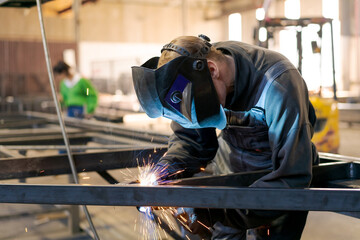
Boise Metal Fabrication is the process of transforming raw metal materials into finished products, components, or structures through a series of manufacturing techniques. Rather than using metal in its original form, fabrication involves shaping, cutting, bending, assembling, and finishing materials according to specific project requirements. Every fabrication project begins with detailed planning to ensure the finished product meets both structural and design expectations. Precision during every stage is essential because even small inaccuracies can affect the strength, appearance, or performance of the final result. Skilled fabrication creates products that combine durability with functionality.
Metal fabrication supports a wide variety of industries because it allows custom solutions to be created for unique applications. Structural components, staircases, railings, gates, platforms, equipment supports, decorative features, and industrial machinery all rely on fabricated metal parts. Every project is designed according to its intended use, making fabrication one of the most flexible manufacturing processes available. The ability to create customized metal products allows designers and builders to meet both practical and aesthetic goals. This versatility makes metal fabrication an essential part of modern construction and manufacturing.
What Materials Are Commonly Used in Metal Fabrication?
Steel is one of the most frequently used materials in metal fabrication because of its exceptional strength and versatility. Structural steel is widely used for building frameworks, support beams, platforms, and heavy-duty construction projects that require reliable load-bearing performance. Carbon steel is also commonly selected for manufacturing equipment, machinery components, and various industrial applications. Different grades of steel provide varying levels of strength, flexibility, and corrosion resistance depending on the project’s requirements. Selecting the right type of steel contributes significantly to long-term performance.
Aluminum is another popular fabrication material because it offers excellent strength while remaining much lighter than steel. Its natural resistance to corrosion makes it suitable for outdoor structures, transportation equipment, architectural features, and decorative applications. Stainless steel is valued for its durability, clean appearance, and ability to resist rust in demanding environments. Other specialty metals may also be selected depending on the intended application and performance requirements. Choosing the appropriate material ensures the fabricated product performs reliably under its expected conditions.
What Processes Are Involved in Metal Fabrication?
Every fabrication project begins with careful measuring and material preparation. Raw metal must first be accurately marked and cut into the required shapes before additional work can begin. Precision at this stage helps ensure that every component fits together correctly during assembly. Modern fabrication often combines advanced equipment with skilled craftsmanship to produce consistent, high-quality results. Accurate preparation supports efficiency throughout the remainder of the project.
After cutting, metal components may be bent, formed, drilled, machined, or welded depending on the design requirements. Welding joins separate pieces into a single structure, while forming techniques create curves, angles, and custom profiles that match the project’s specifications. Once assembly is complete, finishing processes such as grinding, polishing, coating, or painting improve both appearance and durability. Every step contributes to producing a finished product that performs well while maintaining a professional appearance. Attention to detail throughout the process ensures reliable long-term performance.
Why Is Professional Metal Fabrication Important?
Professional metal fabrication provides a level of accuracy and quality that is difficult to achieve without specialized knowledge and equipment. Structural components must meet precise measurements to ensure they fit correctly during installation and perform safely under expected loads. Even small fabrication errors can affect the strength, alignment, or functionality of the finished product. Skilled fabricators understand how material properties, manufacturing techniques, and design specifications work together to produce dependable results. Their expertise helps minimize costly mistakes while improving overall quality.
Professional fabrication also supports greater consistency across large projects involving multiple components. Whether producing identical structural brackets, custom stair railings, or architectural features, every piece must match the required dimensions and finish. Consistency simplifies installation while contributing to a cleaner and more professional final appearance. Reliable workmanship helps ensure fabricated products continue performing as intended throughout their service life. Precision remains one of the defining characteristics of quality metal fabrication.
Where Is Metal Fabrication Commonly Used?
Metal fabrication serves an enormous range of industries because of its adaptability and strength. Residential construction frequently uses fabricated metal for staircases, handrails, gates, fences, balconies, pergolas, and decorative architectural elements. Commercial buildings depend on fabricated structural steel, equipment supports, access platforms, and custom framework that provide long-term stability. Many public buildings also incorporate fabricated metal features that combine functionality with attractive architectural design. Its versatility allows fabrication to support projects of virtually every size.
Industrial facilities rely heavily on fabricated metal for machinery, conveyor systems, storage equipment, safety barriers, maintenance platforms, and specialized production equipment. Manufacturing operations often require custom components designed specifically for unique production processes. Fabrication provides the flexibility needed to create solutions that standard manufactured products cannot always offer. This ability to customize equipment makes fabrication an essential part of industrial development and ongoing facility improvements. Every industry benefits from durable, precisely manufactured metal products.
How Does Metal Fabrication Add Value to a Project?
One of the greatest advantages of metal fabrication is its ability to produce customized solutions that match the exact requirements of a project. Instead of modifying standard products to fit unusual spaces or specialized applications, fabricated components are designed specifically for their intended purpose. This customization often improves functionality while creating a cleaner and more efficient installation. Tailored fabrication allows architects, engineers, and builders greater flexibility when developing unique construction or manufacturing projects. Customization supports both performance and design objectives.
Fabricated metal products also provide long-term value because of their durability and relatively low maintenance requirements. Properly fabricated and finished metal structures are designed to withstand years of daily use while maintaining their structural integrity. Whether installed indoors or outdoors, quality fabrication helps reduce the need for frequent repairs or replacements. Investing in professionally fabricated metal often results in lower long-term ownership costs while improving overall project reliability. Durability remains one of the greatest strengths of fabricated metal.
What Should You Consider Before Starting a Metal Fabrication Project?
Careful planning is one of the most important parts of any fabrication project. Before manufacturing begins, project goals, structural requirements, dimensions, material selection, and finishing preferences should all be clearly defined. Accurate planning reduces production delays while ensuring the finished product meets both functional and visual expectations. Taking time to establish clear specifications improves efficiency throughout the fabrication process. Thorough preparation supports successful project outcomes.
Choosing experienced fabrication professionals is equally important. Skilled fabricators understand how to work with different metals, interpret technical drawings, and maintain high-quality standards throughout production. Their knowledge helps ensure that fabricated products meet performance expectations while complying with applicable construction or manufacturing requirements. Professional craftsmanship contributes to safer, stronger, and more reliable finished products. Quality fabrication begins with experienced professionals and careful attention to detail.
Final Thoughts
Metal fabrication is a vital process that transforms raw metal into durable, functional, and customized products used throughout residential, commercial, and industrial construction. From structural steel and architectural features to machinery components and decorative elements, fabricated metal supports countless applications that require strength, precision, and long-term reliability. Through careful planning, accurate manufacturing, skilled craftsmanship, and proper material selection, metal fabrication produces solutions designed to meet specific project requirements. Whether supporting a large construction project or creating a custom architectural feature, professional metal fabrication delivers lasting value, dependable performance, and exceptional versatility.